Introduction
In recent years, aseptic tomato paste has become one of the most important raw materials in the global food supply chain. Many importers, food manufacturers, and producers of ketchup, sauces, pizza products, and ready meals now prefer aseptic tomato paste over traditional canned or conventional bulk paste.
But what exactly is aseptic tomato paste, and why has it become the first choice for professional importers?
In this article, we provide a complete and practical guide to aseptic tomato paste, covering its definition, production process, technical specifications, advantages, quality standards, pricing factors, and key points buyers should know before importing
What Is Aseptic Tomato Paste?
Aseptic tomato paste is tomato paste that is processed and packed under fully sterile conditions.
In the aseptic process:
- The tomato paste is sterilized using high-temperature treatment (UHT)
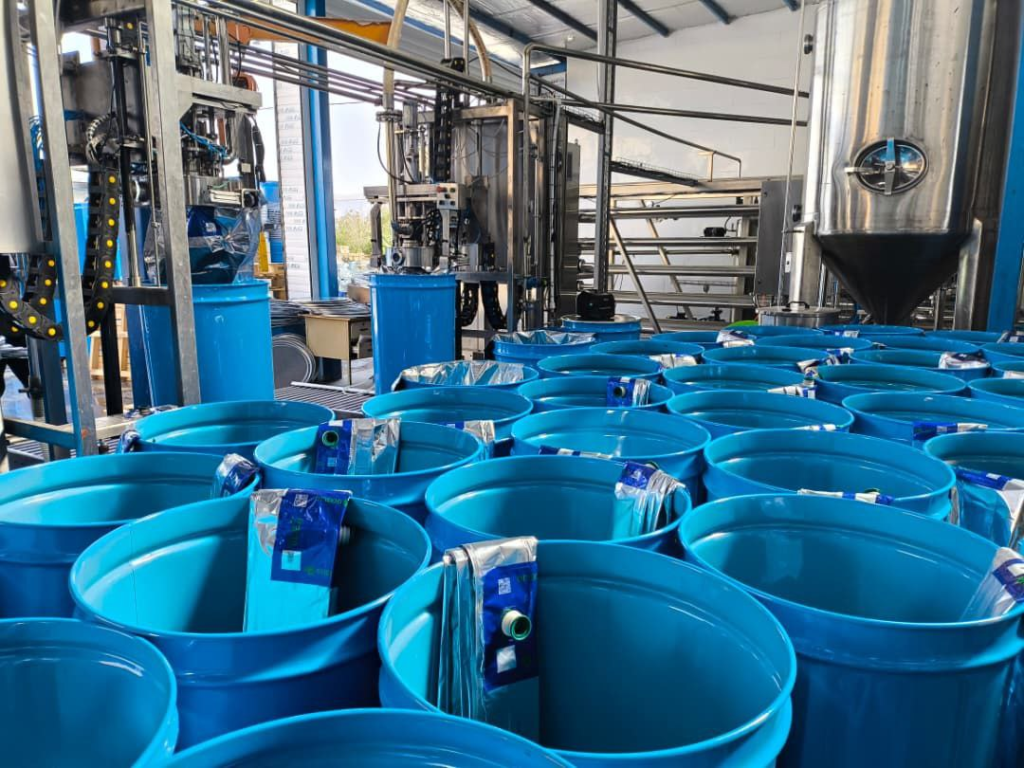
- The packaging material (aseptic bags) is sterilized separately
- Filling is done in a completely sterile environment
Thanks to this method, aseptic tomato paste does not require preservatives and can be stored for long periods at ambient temperature.
Aseptic Tomato Paste Production Process
The production process typically includes the following steps:
- Receiving and grading fresh tomatoes
- Washing and crushing
- Cooking and concentration (Hot Break or Cold Break)
- UHT sterilization
- Filling into multi-layer aseptic bags
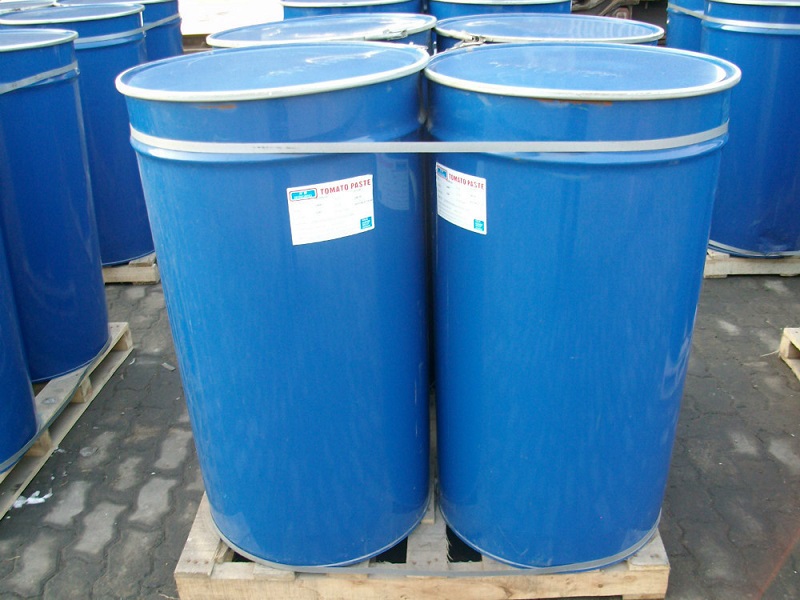
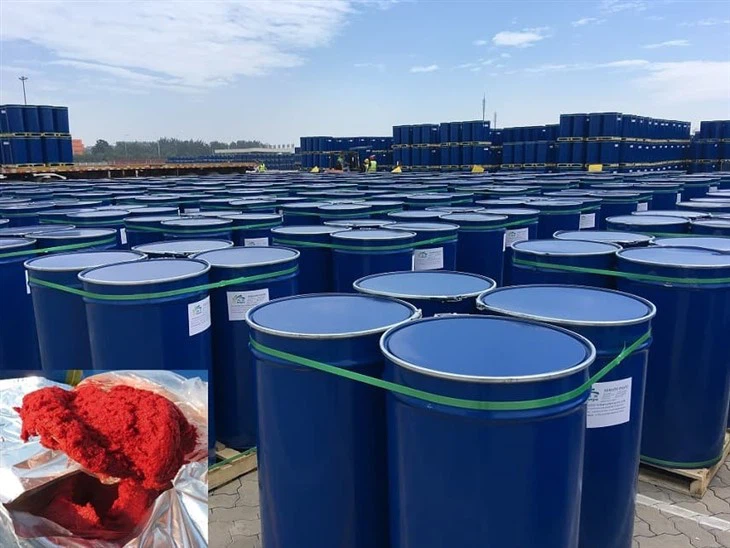
- Placing the bags into steel drums for export
- Final quality control and issuance of COA
Technical Specifications of Aseptic Tomato Paste
Brix Levels and Applications
36-38%
The largest consumers of aseptic tomato paste are the sauce manufacturing industries (especially ketchup and pizza sauce), ready-to-eat and semi-prepared food producers, canned food manufacturers, frozen food and industrial fast-food producers, as well as companies that repack tomato paste for retail sale. These industries prefer aseptic tomato paste because it offers long shelf life, high microbiological safety, and consistent product quality throughout the year.
Typical Technical Parameters
- Brix: 36–38
- pH: 4.0 – 4.4
- Viscosity: Stable and uniform
- Color: Natural red, without browning
- Additives: None (no preservatives)
- Shelf Life: 18–24 months
- Storage: Ambient temperature

Certificate of Analysis (COA)
Professional importers always request a Certificate of Analysis (COA) before purchasing aseptic tomato paste.
A standard COA includes:
- Brix value
- pH level
- Total solids
- Microbiological tests (TPC, yeast, mold)
- Heavy metals analysis
- Sensory evaluation
A valid COA confirms that the product meets international quality and safety standards.
Advantages of Aseptic Tomato Paste for Importers
1. Long Shelf Life
Aseptic tomato paste can be stored for up to 24 months without refrigeration.
2. Lower Logistics Costs
No cold storage or refrigerated containers are required, significantly reducing transportation costs.
3. Consistent Quality
The product maintains stable quality, color, and taste throughout the year.
4. Ideal for Industrial Use
Widely used by manufacturers of:
- Ketchup
- Tomato sauces
- Pizza products
- Ready meals
Limitations and Considerations
- Requires suitable equipment for repacking after opening
- Not intended for direct retail sales
- Proper handling is essential once the drum is opened
Why Importers Prefer Aseptic Tomato Paste
Importers choose aseptic tomato paste because it offers:
- Lower spoilage risk
- Easy bulk transportation
- Flexibility for local packaging and branding
- Higher profitability compared to canned tomato paste
How to Choose a Reliable Aseptic Tomato Paste Supplier
Before signing a contract, importers should consider:
- Receiving a real production sample
- Reviewing the COA carefully
- Factory audit or visit (if possible)
- Export experience and track record
- International certifications such as ISO, HACCP, and HALAL
Frequently Asked Questions (FAQ)
Does aseptic tomato paste require preservatives?
No. The aseptic sterilization process eliminates the need for preservatives.
What is the shelf life of aseptic tomato paste?
Typically between 18 and 24 months at ambient temperature.
Which Brix level is best for ketchup production?
Brix 36–38 is commonly preferred.
Is aseptic tomato paste suitable for export?
Yes. It is the most widely used format for industrial tomato paste exports.
Conclusion
Aseptic tomato paste is a smart and reliable choice for importers and food manufacturers seeking consistent quality, long shelf life, and cost-efficient logistics. When sourced from a trusted supplier, it becomes a strong foundation for stable production and long-term profitability.
For technical specifications, COA, and product samples, contact Roha Foods.